Navigating the middle years of life often brings a new perspective on health and wellbeing. For many couples, this is a time when individual fitness goals begin to merge into a shared desire for longevity and vitality. Staying active with your spouse is not just about maintaining physical health; it’s a powerful way to strengthen your bond and explore new activities together. As our bodies change, our exercise routines must evolve too. Adapting your fitness plan as a couple ensures you can continue to support each other’s health, happiness, and shared future for many years to come.
Embrace communication and set shared goals
The first step in adapting your fitness journey is to have an open conversation. What worked in your twenties or thirties might not be suitable or enjoyable now. Discuss your current fitness levels, any new physical limitations or aches, and what you both genuinely want to achieve. Perhaps your goal is no longer about running a marathon but about having the energy for a walking holiday in Spain or keeping up with your grandchildren. Setting realistic, shared goals—like walking 10,000 steps a day or trying a new activity each month—creates a sense of teamwork and mutual motivation. This shared purpose turns exercise from a chore into a collaborative project.
Focus on low-impact, high-reward activities
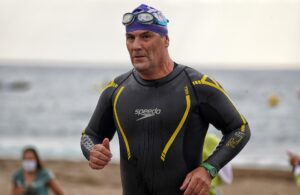
As we age, our joints can become more sensitive, making high-impact exercises like running on pavement less appealing or even risky. This is the perfect opportunity to explore a world of low-impact activities that are kinder to your body while still delivering fantastic health benefits. Activities like swimming, cycling, and aqua aerobics provide excellent cardiovascular workouts without the jarring stress on your knees and hips. Similarly, a brisk walk in a local park or a gentle hike on a scenic trail can be a wonderful way to connect with both nature and each other. These activities allow for conversation and shared experiences, enhancing both your physical and emotional connection.
Prioritise strength, balance, and flexibility
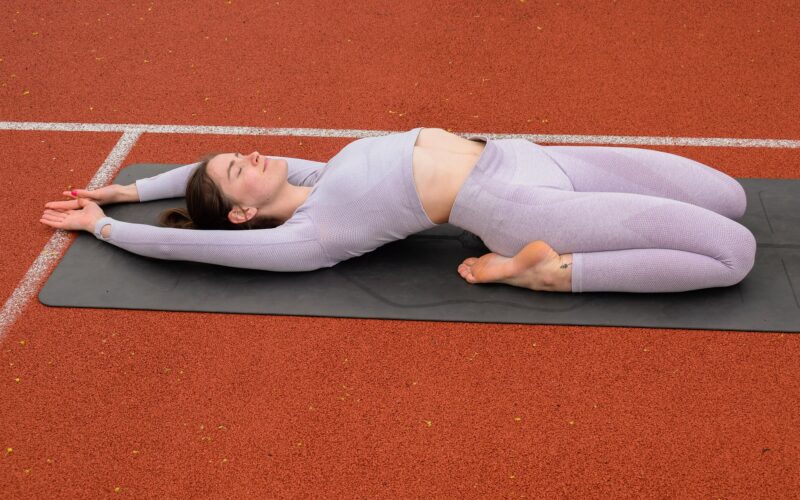
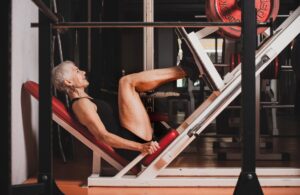
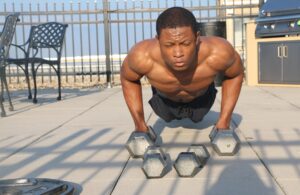
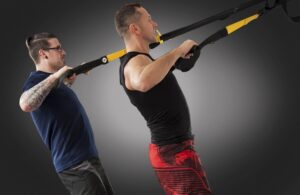
While cardio is crucial, maintaining muscle mass, balance, and flexibility becomes increasingly important in mid-life. Muscle loss accelerates with age, and good balance is vital for preventing falls. Incorporating strength training two to three times a week is essential. This doesn't have to mean lifting heavy weights at a gym; bodyweight exercises, resistance bands, or light dumbbells can be just as effective. Furthermore, activities like yoga, Pilates, or tai chi are brilliant for couples. They not only improve flexibility and balance but also encourage mindfulness and reduce stress. Attending a class together can add a social element and provide professional guidance on proper form.
Make it fun and social
The key to long-term consistency is enjoyment. If your fitness routine feels like a punishment, you are unlikely to stick with it. Find activities that you both genuinely love. This could be anything from ballroom dancing or gardening to joining a local bowls club or taking up golf. Dancing, for instance, is a fantastic full-body workout that improves coordination and is incredibly fun to do as a couple. By framing fitness as recreation rather than a regimen, you transform your perception of exercise. This approach helps to build positive associations and makes it something you look forward to sharing.
Listen to your bodies and allow for rest
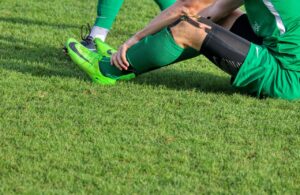
One of the most significant adjustments to make in mid-life is learning to listen to your body and respecting its need for recovery. Pushing through pain is counterproductive and can lead to injury, setting you back for weeks or even months. Schedule rest days into your weekly routine and don't be afraid to take an unscheduled day off if one of you is feeling tired or unwell. Quality sleep is also a non-negotiable part of any fitness plan. By prioritising rest and recovery, you ensure that your bodies have the time they need to repair and strengthen, allowing you to stay active safely and sustainably for the long haul.